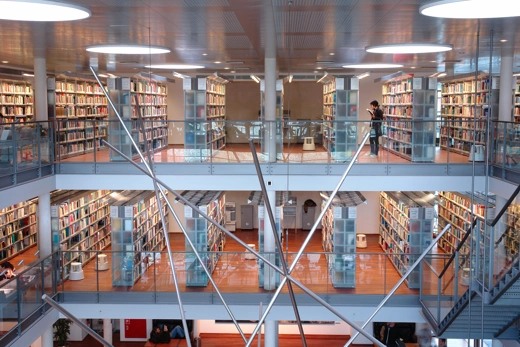
Roskilde University RUC - The Pergola Area


Designed to empower future generations
When architecture brings institution and society closer together, learning spaces actively engage with their surroundings and strengthen both education and local communities.
We see learning environments as formative spaces that contribute to young people's development, identity and engagement with the world around them. With a curious approach to how spaces can support motivating learning environments and inclusive communities, we believe in creating dynamic environments that can foster collaboration, innovation and critical thinking.
At Vilhelm Lauritzen Architects, our experience extends from new buildings to transformations of historic structures, and from kindergartens to large, complex campuses. Across all scales, our ambition is to create flexible spaces for lifelong learning and shared community; places that can evolve and serve many generations to come.
Boundless communities
Environments for education do not merely house learning and innovation – they actively shape it. The right surroundings can strengthen the exchange of knowledge, perspectives and ideas across disciplines and generations. With this in mind, we believe in designing learning environments that encourage collaboration and connect people, space and knowledge.
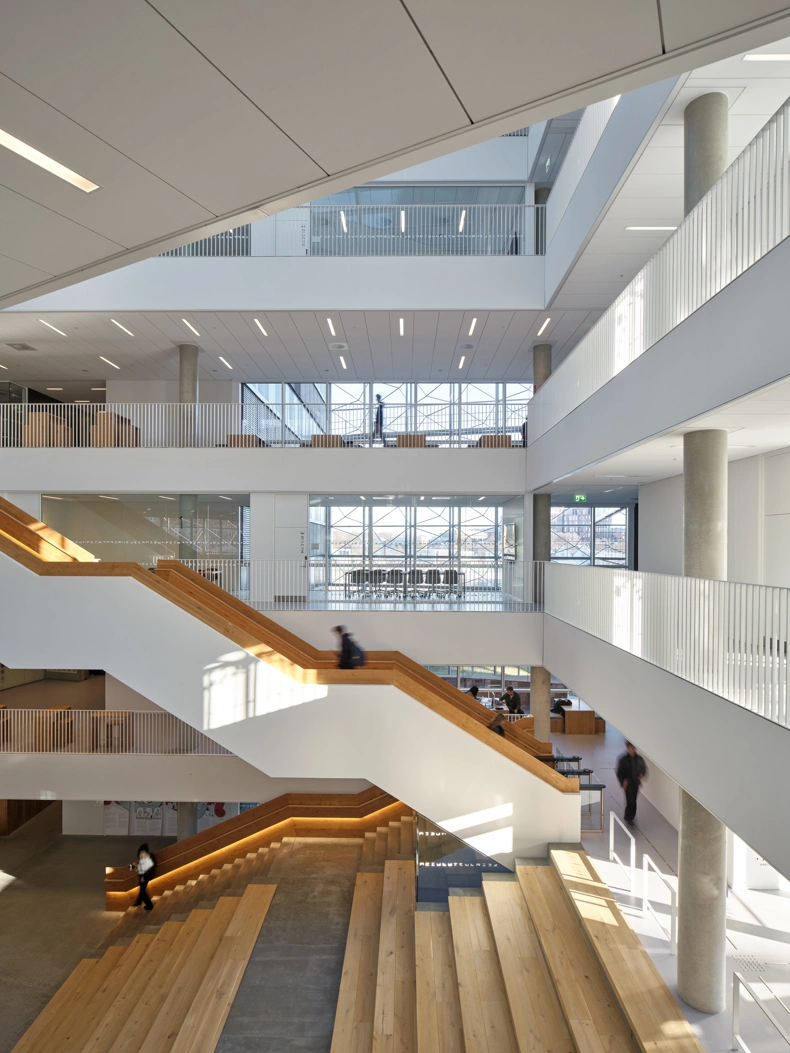
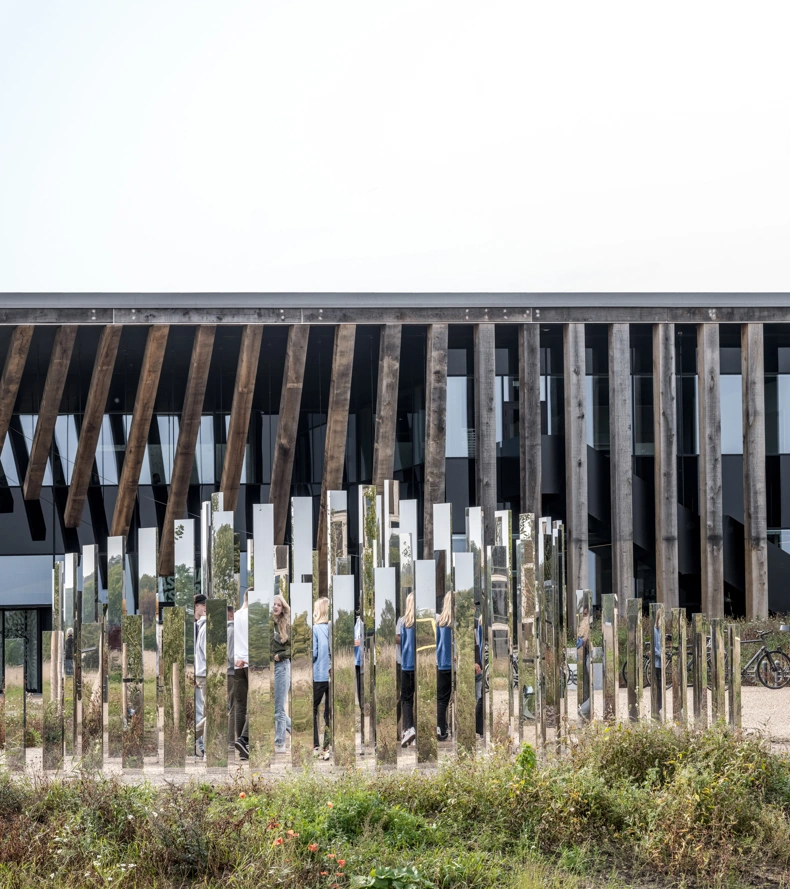
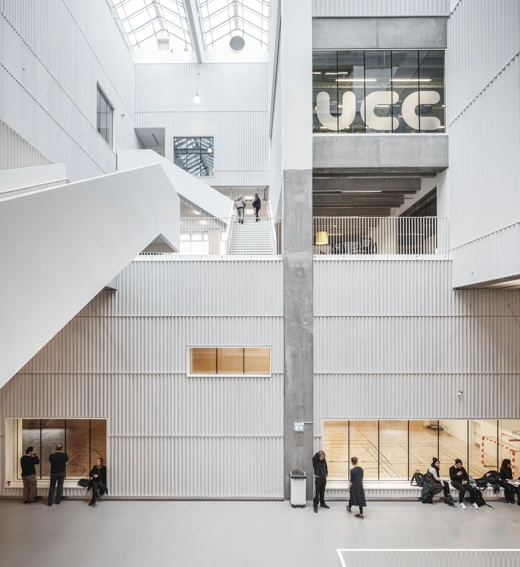
Our redevelopment project at Roskilde University (RUC), showcases how existing structures can be brought together for a cohesive learning and working environment for researchers, staff and students. The project strengthens the campus’ coherence visually and physically, while connecting people, knowledge and communities.
Shaping society
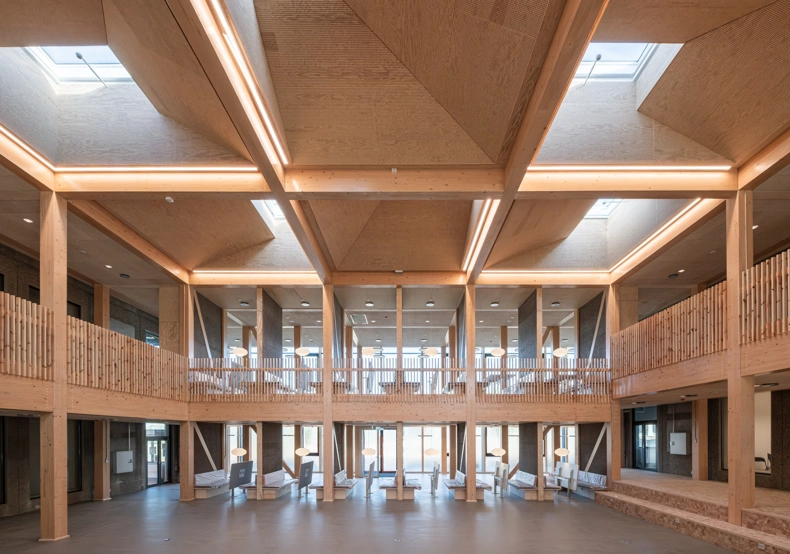
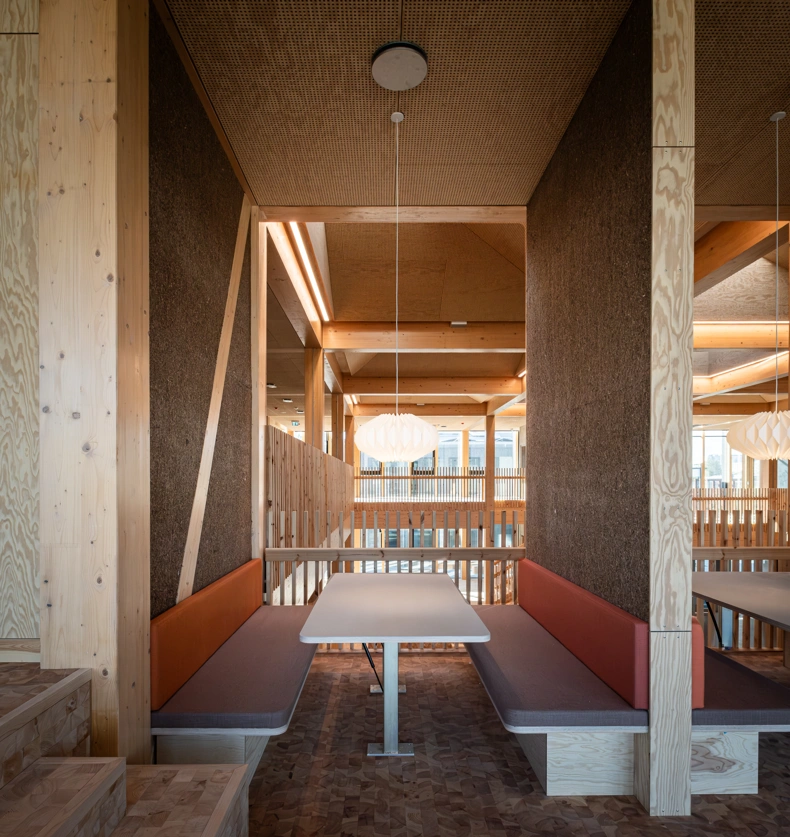
Schools should be open to the world around. They are not only destinations for formal education, but grounds for connecting and belonging. With the ambition to bring institution and society closer together, we seek to create conditions in which learning spaces can extend beyond institutional boundaries and enter into dialogue with their surroundings.
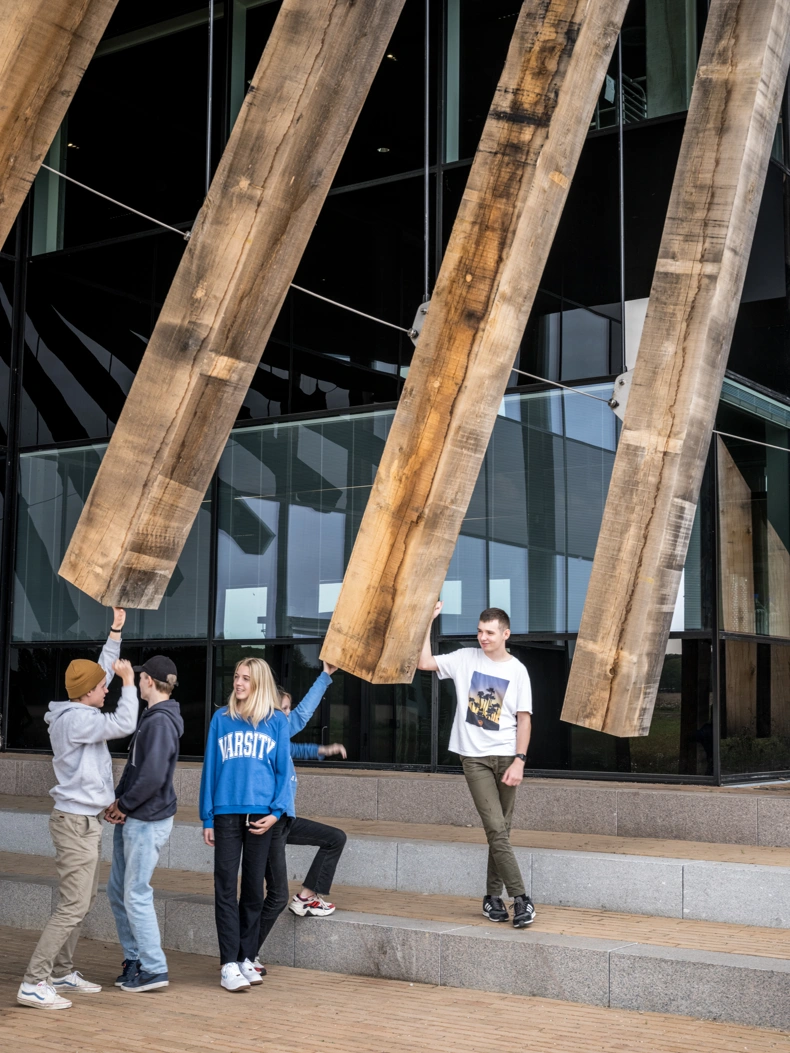
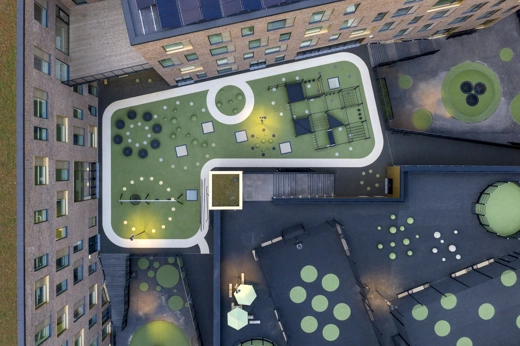
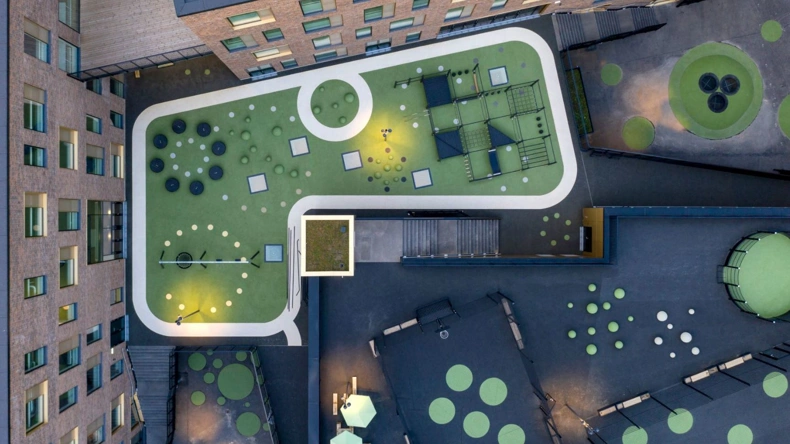
Especially when building in a dense urban environment, we feel responsibility to use space wisely and share it with more people. At the European School in Copenhagen, architecture becomes a connector between students and the local community. Through a public urban landscape, the school takes on more than a single purpose, functioning both as a place of learning and as a communal area extending the city space.
Learning and growth
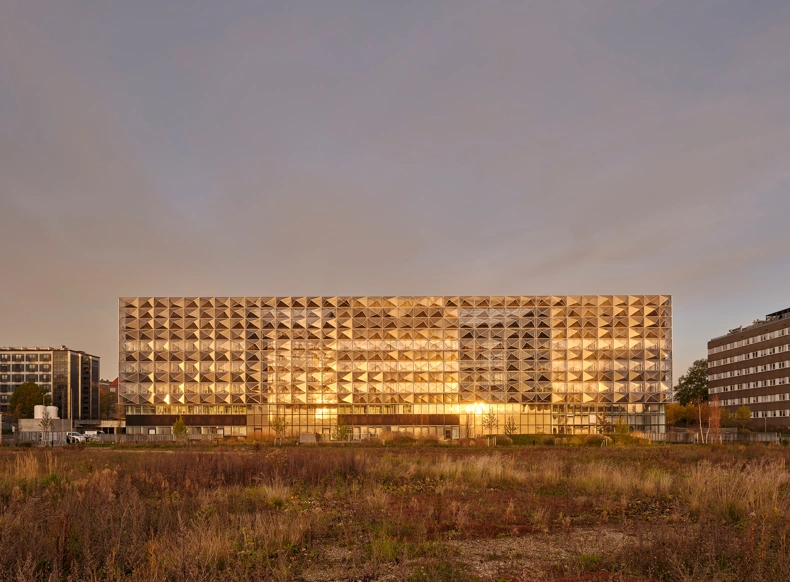
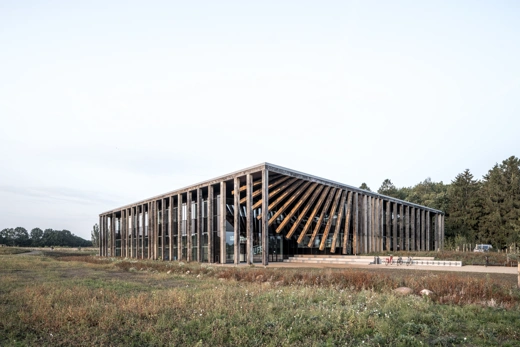
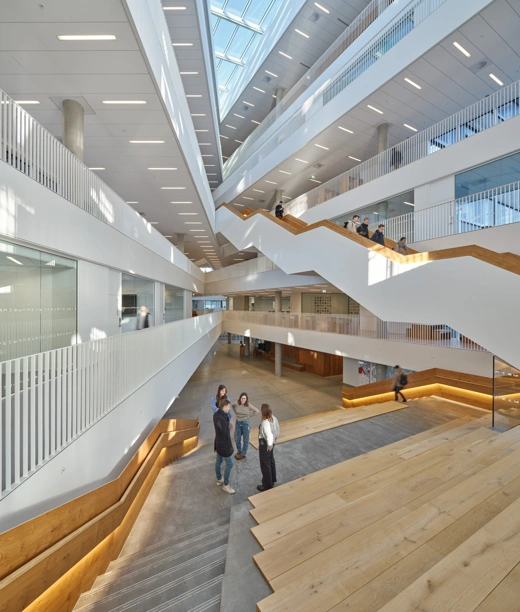
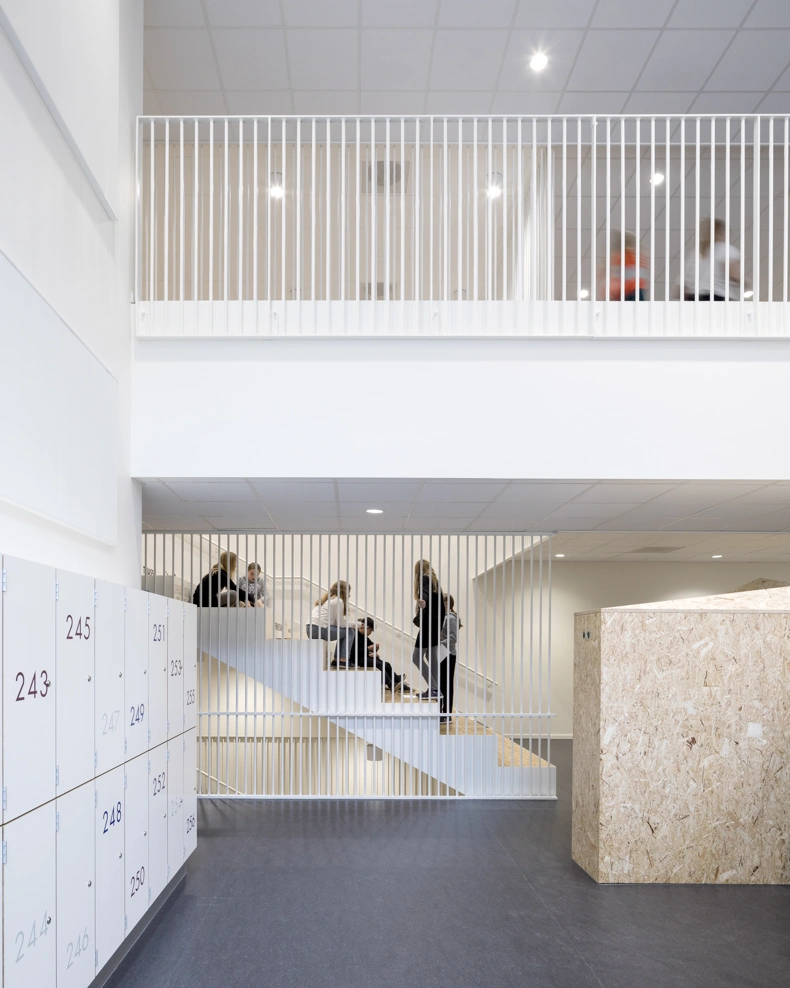
Learning institutions should both provide learning and knowledge but also be a space where new knowledge evolves. Being a foundation stone for research and innovation, we believe in learning environments that motivate learning while inspire creativity, critical thinking and curiosity. This approach defines both the Niels Bohr Building and LIFE Campus.