Frikvarteret

Good places to live for all
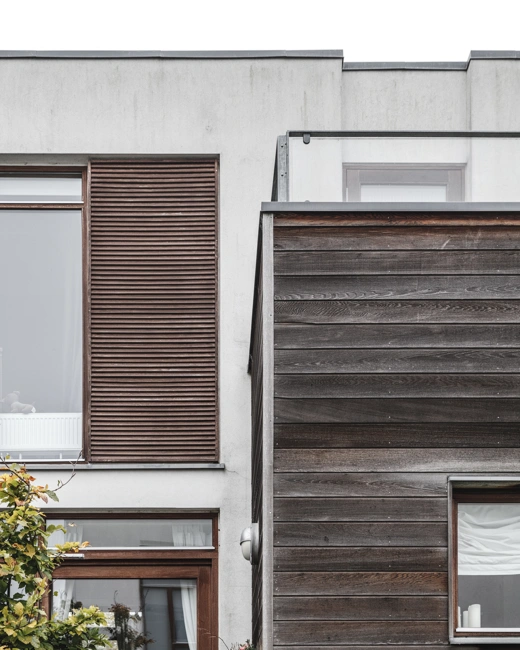
Well-designed architecture should be for everyone, never a privilege reserved for the few. Whether we are designing student housing or exclusive apartments, we approach every home with the same fundamental principles. Function comes first: bright, homes with carefully considered layouts, healthy indoor environments and lasting materials.
ENVIRONMENT AND WELL-BEING
Good housing offers more than the basic functional requirements. It should not simply be a place to stay, eat and sleep – it should feel like home. Architecture can actively support wellbeing and quality of life, and when we design housing, we do so with empathy and curiosity for people and everyday life.
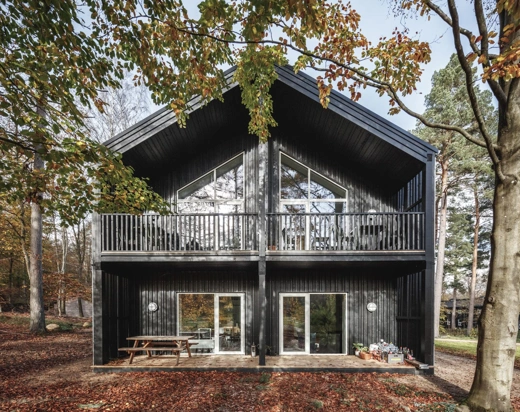
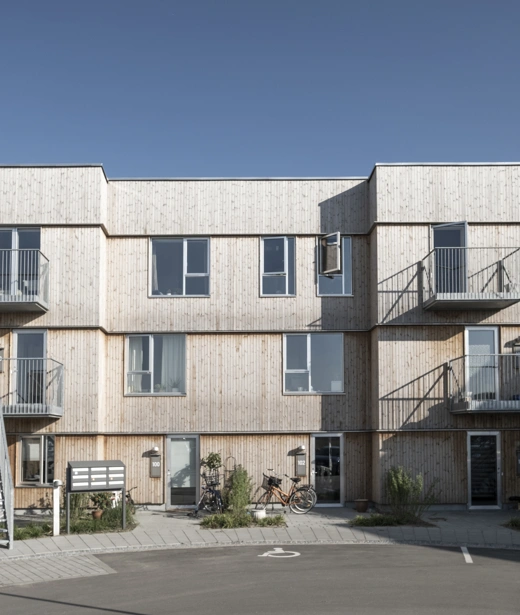
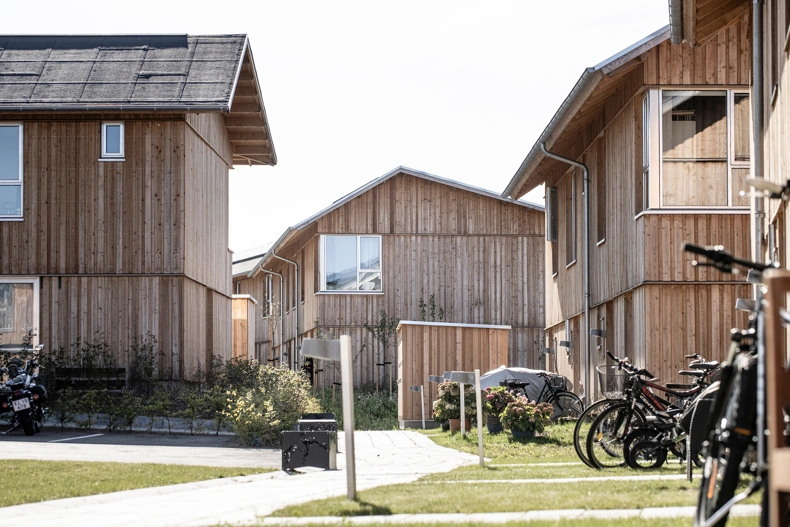
Skademosen, near Trekroner in Roskilde, Denmark, is a social housing project built in timber. Residents highlight how the tactile qualities of wood contribute to a calm and comfortable living environment, both indoors and outdoors. The homes are arranged in staggered clusters, creating intimate outdoor spaces that balance private areas with opportunities for community life.

CONTEXT
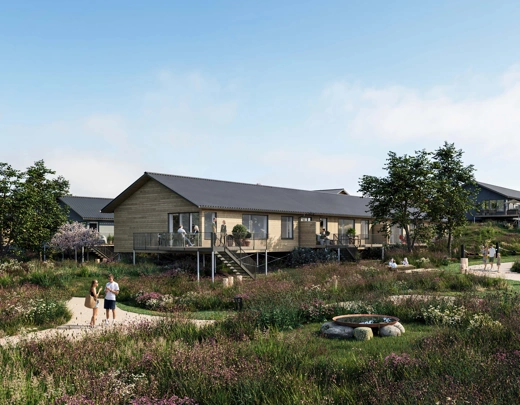
When we build new homes, they are always placed in a wider context – whether in the dense city or within a landscape of nature and open spaces. Housing is more than what takes place within the walls, and we believe architecture should reflect its surroundings and engage with the context of which it forms a part.
For us, the design process begins with understanding the qualities and relationships of the site. Good housing emerges through dialogue with its surroundings and contributes to the local environment – whether that means neighbouring buildings or the natural landscape.
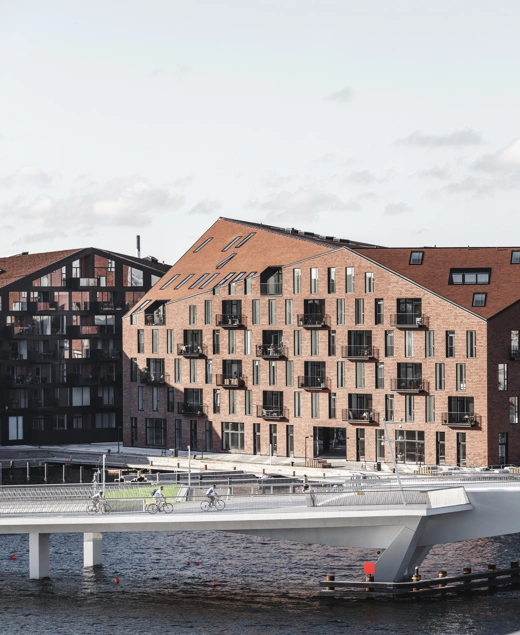
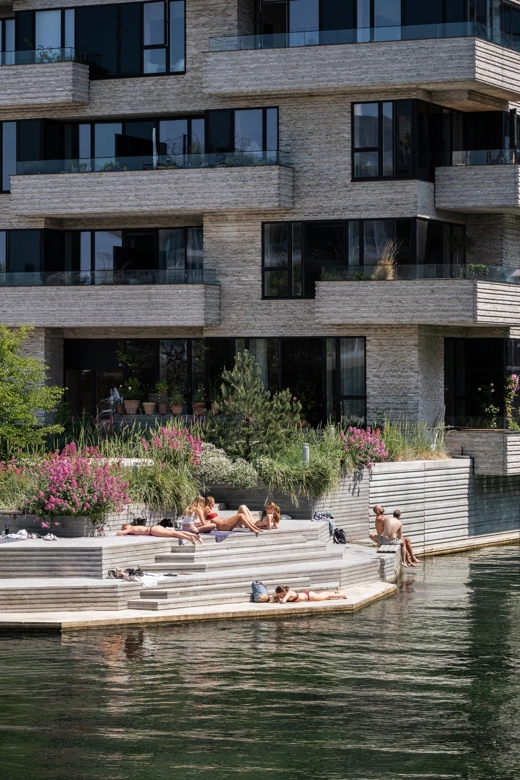
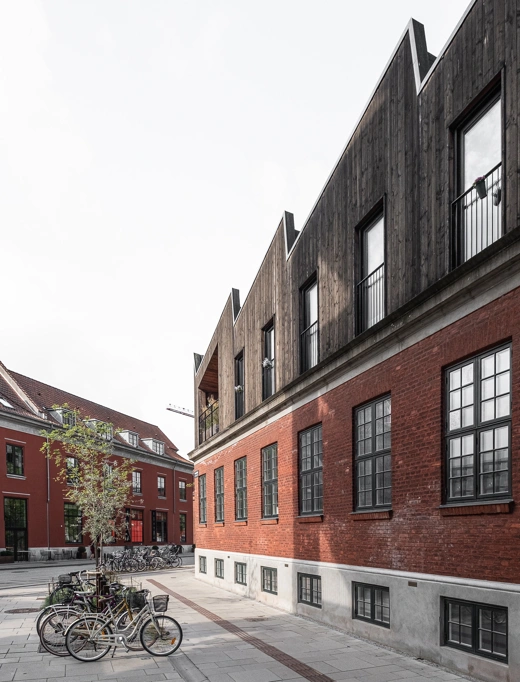
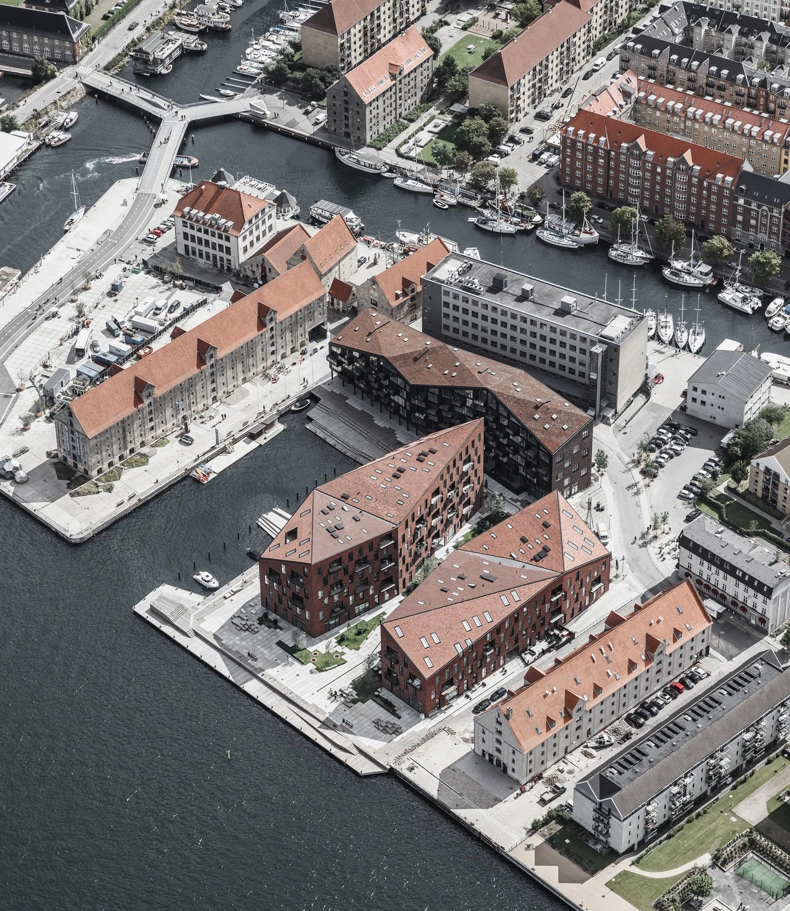
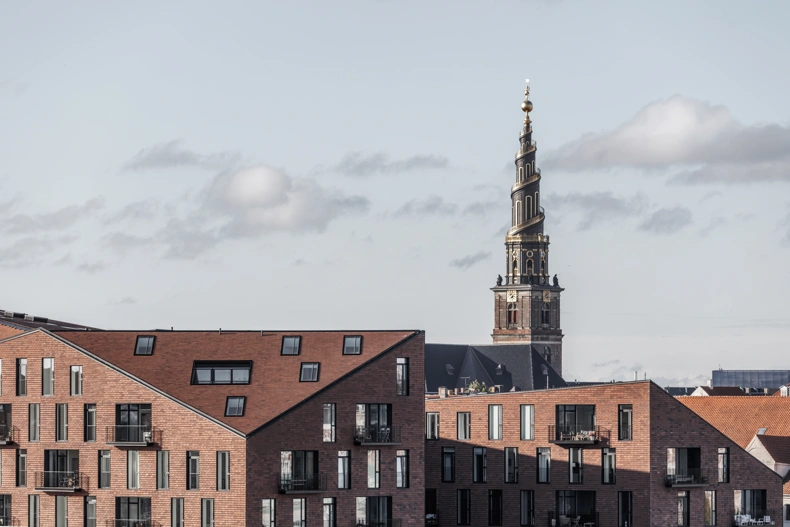
Krøyer’s Square is an example of how context can shape architecture. With the ambition of rooting the project not only in the historic setting of harbour warehouses and church spires, but also among local citizens, the community was invited to take part in workshops. Today, Krøyer’s Square is a vibrant urban space with qualities that can be traced directly back to this dialogue and collaboration with the locals.
LONGEVITY
When housing is thoughtfully designed from the outset, it has the potential to last for centuries. This place demands on robust materials that age gracefully, as well as on flexible layouts and functions. Therefore, our ambition is to create home that remain good places to live – today and in the future.
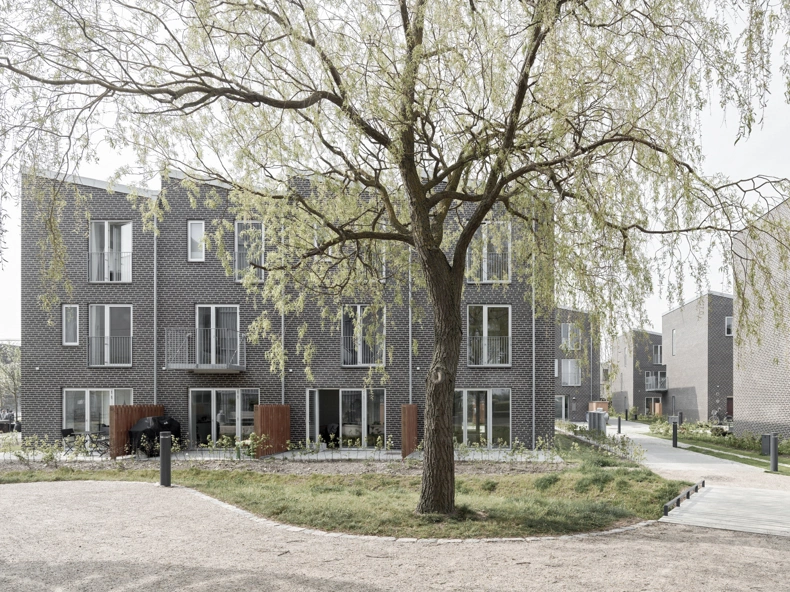
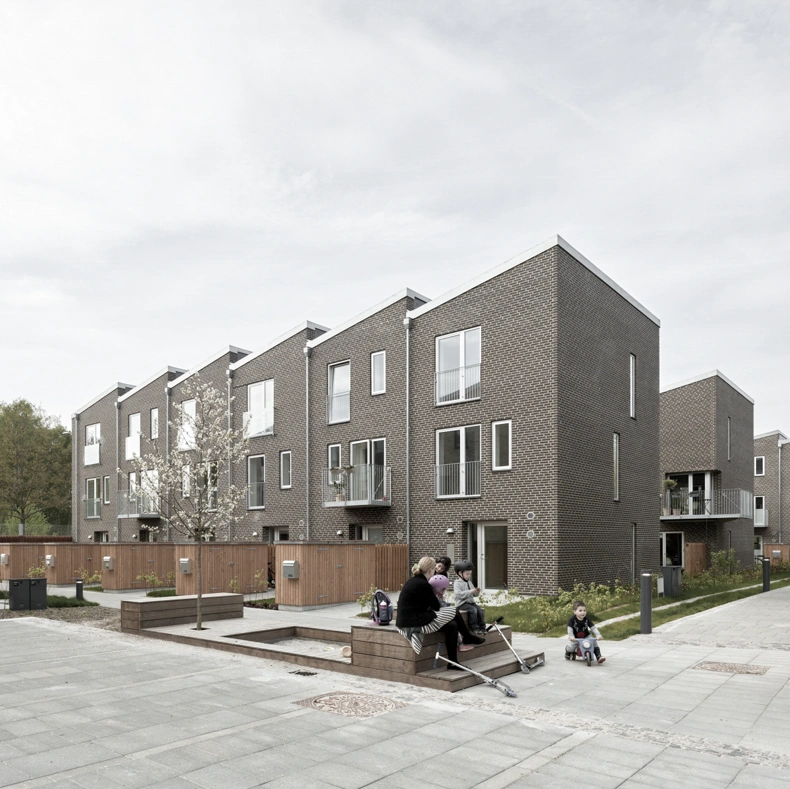
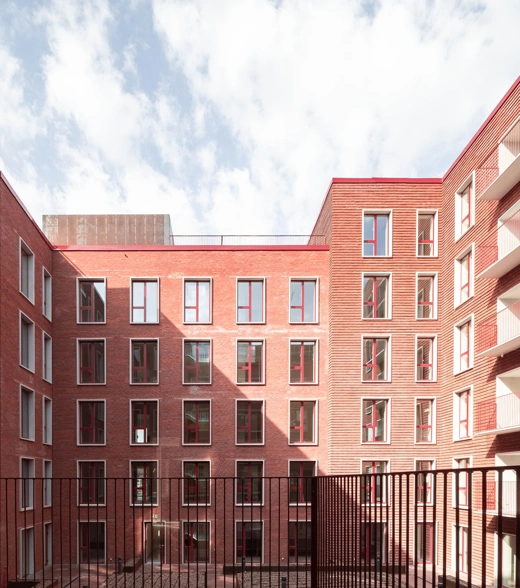
The Bella Rows in Copenhagen’s Ørestad district draw inspiration from the city’s historic housing association homes, such as the iconic Kartoffelrækkerne and Humleby – residential environments that have demonstrated their architectural and functional qualities through generations.